Multirotor aircraft are chosen when the work needs the aircraft to stay in one place — hover, look closely, carry something, or reposition in seconds. Sizing one comes down to three things: payload as a system budget, endurance under the real load, and what the operating environment removes from both.
A fixed-wing covers area faster but cannot hold position; a multirotor holds position and pays for it in endurance. The pages below make that trade explicit before you send an enquiry rather than after.
10 topics
Industrial Multirotor
Multirotor configurations for power, PV, facade and bridge inspection. The real trade-off is payload, endurance and working radius.
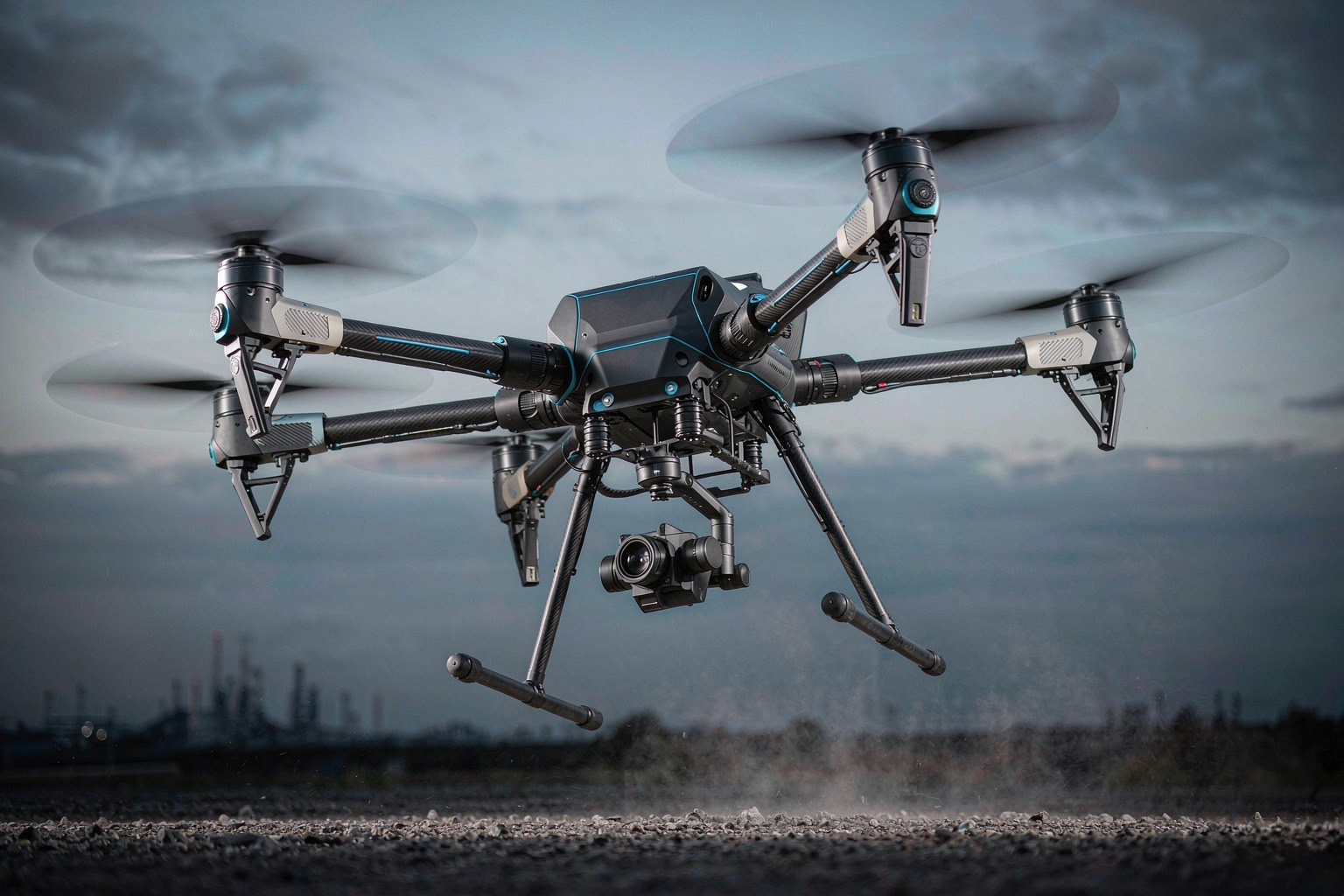
Topics in Industrial Multirotor
Topics are published on a rolling basis. Nothing goes live before its specifications and sources have been verified.
- How to Choose an Industrial Multirotor PlatformPublished
- Multirotor Configuration for Power Facility InspectionPublished
- Multirotor Configuration for Solar PV InspectionPublished
- Multirotor Configuration for Building Facade InspectionPublished
- Multirotor Configuration for Bridge InspectionPublished
- Thermal Imaging Payload Configuration for InspectionPublished
- Emergency Lighting and Speaker Payload ConfigurationPublished
- Multi-Payload Platform ConfigurationPublished
- Endurance and Payload Trade-offs for MultirotorsPublished
- Multirotor Customization Requirement ChecklistPublished